



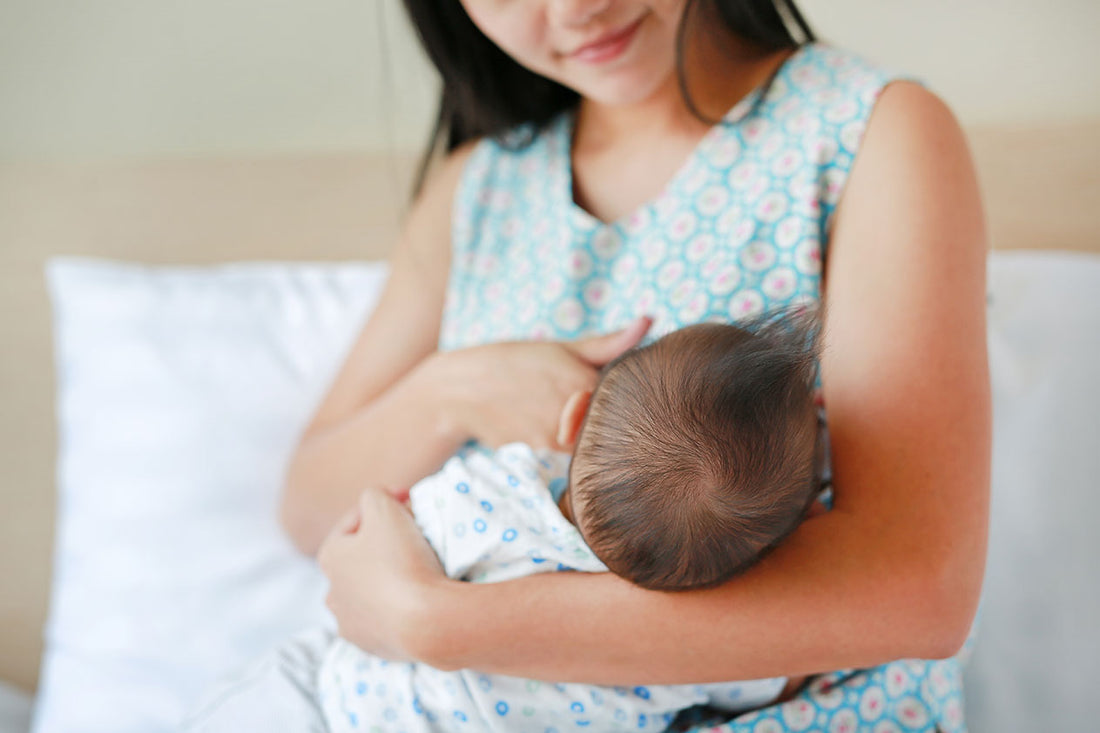
Paediatricians advise exclusive breastfeeding for a baby’s first six months at least. Yet when you are short on sleep or your baby struggles to latch properly, it is only natural to ask whether all this effort really pays off — and whether it is truly essential. Here is why experts keep recommending breastfeeding for your little one.
Helps Shield Your Baby from Illness
Breast milk carries plenty of antibodies that may help guard your baby against certain illnesses. Studies indicate that breastfed babies could face a lower risk of conditions such as asthma, eczema, ear infections, diarrhoea, lower respiratory infections, SIDS (sudden infant death syndrome), type 2 diabetes, childhood obesity and childhood leukaemia. For babies born before 37 weeks of pregnancy, breastfeeding may also reduce the chance of necrotizing enterocolitis, a disease that affects the gastrointestinal tract in premature infants.
Your Milk Changes With Your Baby’s Needs
Colostrum, the very first milk, is packed with antibodies that protect your baby as well as nutrients that feed them. It supports the early workings and growth of your baby’s developing digestive system. Around three to five days after birth, colostrum gradually turns into thinner mature milk — and although it looks lighter, it still delivers all the antibodies and nourishment your baby needs.
A Perfectly Balanced First Food
Mature milk is a beautifully designed first food for your baby’s growth, supplying energy and nutrients in just the right amounts — fat, protein, sugar and water all perfectly proportioned. That means no guesswork about whether your baby is getting the right quantity of each nutrient. It also carries no risk of contamination, and it comes at the right temperature, ready to feed.
Supports Sensory and Cognitive Development
The WHO notes that breastfeeding supports healthy cognitive and sensory development in babies.
May Speed Up Your Postpartum Recovery
Breastfeeding can help you bounce back faster from the demands of childbirth. Nursing releases oxytocin, a hormone that helps your uterus shrink back to its usual size more quickly. It may also reduce how much you bleed after delivery.
May Lower Your Own Risk of Some Illnesses
Mothers may gain protection against illness too. Research indicates that breastfeeding could reduce your risk of type 2 diabetes, cardiovascular disease, high cholesterol, high blood pressure, osteoporosis and rheumatoid arthritis, along with certain cancers — ovarian and breast cancer later in life are less common among women who breastfeed.
Can Delay the Return of Your Period
If you breastfeed exclusively, day and night, and your baby is under six months old, your periods may take longer to come back. In these circumstances it can even work as a natural form of contraception. Even so, it is always wise to use extra protection during sex if you are certain you do not want another pregnancy in quick succession.
Might Help With Postpartum Weight Loss
Your body draws on its fat stores and the calories from what you eat to make milk and keep breastfeeding going. Because of this, breastfeeding is thought to help you get back to your pre-pregnancy weight sooner — though the evidence is not settled, given so many other factors at play, such as how active your days are and how much you eat.
All in all, there are plenty of good reasons — for both your health and your baby’s — to keep breastfeeding through the early months if you are able to.